TOULOUSE
The upmarket neighbourhood known as the ‘antiquarians’ district’ began to develop from the 17th century onwards. Situated further away from the merchants’ quarter (Rue Saint-Rome), it was a place where life was simple, characterised by vegetable gardens and more humble trades.
With the establishment of the Parliament in 1444, the houses that had once housed the royal authority became the seat of one of the most influential courts of justice in the kingdom. The magistrates decided to settle on the modest plots of land in this neighbourhood to benefit from the prestigious and spiritual aura of the episcopal city. In the 18th century, the town enjoyed an incredible judicial reputation, handling criminal cases that played a part in the history of France.
This part of the town also attracted the judicial nobility thanks to its new ornamental gardens, as well as the prestige of the nearby Canal du Midi.
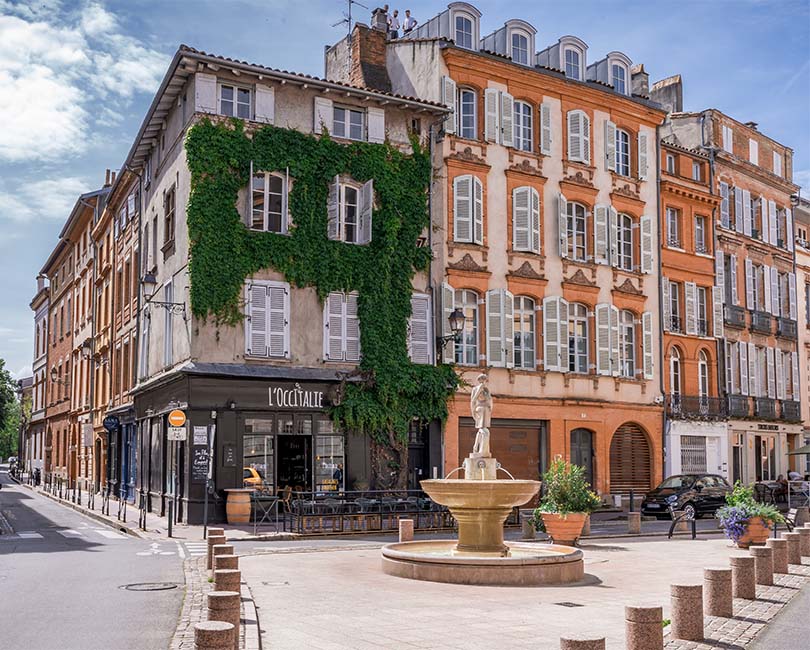
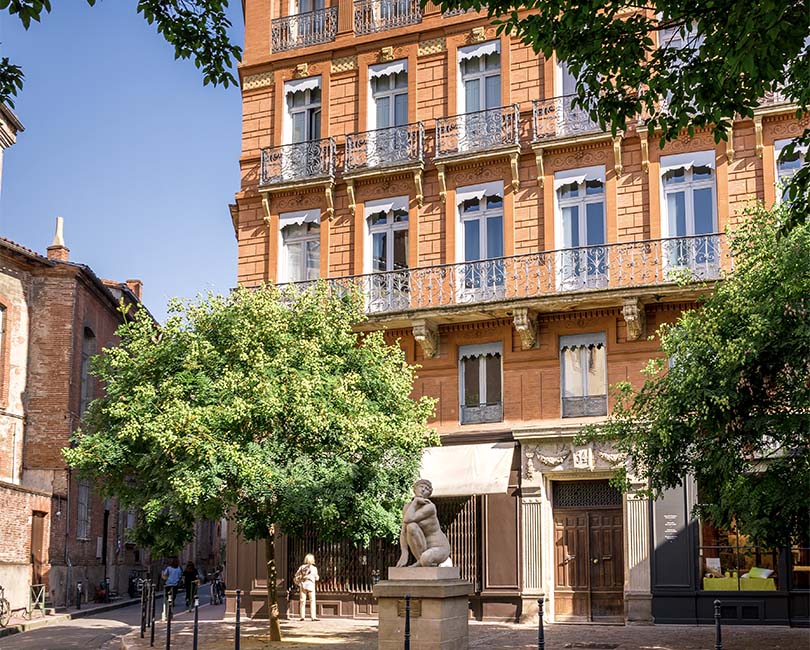
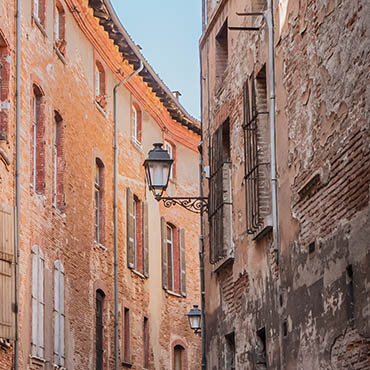
The townhouses, built in a classical style set amongst courtyards and gardens, rival one another in beauty with their wrought-ironwork and the two-tone combination of white stone and brick. Sometimes, you can even step into a main courtyard to admire the mascarons and the symmetrical lines of these exceptional residences.
A moins de 30 mn à pied de la gare de Toulouse-Matabiau ! (environ 26 min et 2187 m).
Egalement, Gare Saint-Agne à moins de 40 mn, Gare Saint-Cyprien-Arènes à moins de 40 mn
Calculez votre itinéraire pour votre voyage en Occitanie avec les trains ou les cars LiO
Calcul itinéraires et recherche horaires