TOULOUSE
To open up and link the city to the trading ports of the Canal du Midi, Louis de Mondran proposed a beautification plan in 1752. In it, he outlined how to boost trade in the city by redesigning it and providing employment for an idle population suffering from repeated food shortages.
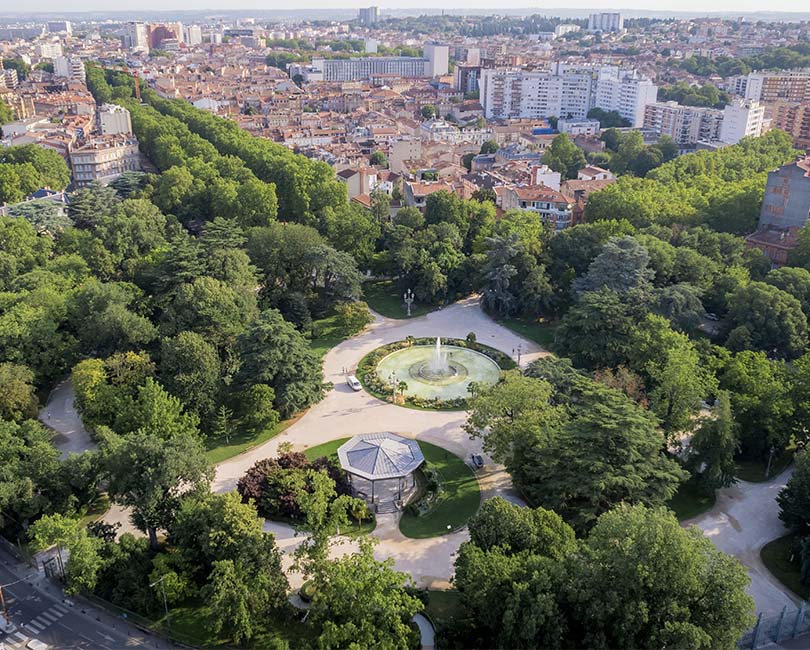
That same year, three thousand men and women worked to prepare the ground and create the oval park with its six star-shaped paths. The Grand Rond, known as Boulingrin, and the Jardin Royal allowed the people of Toulouse to escape the stifling city enclosed by its ramparts to get some fresh air and play boules.
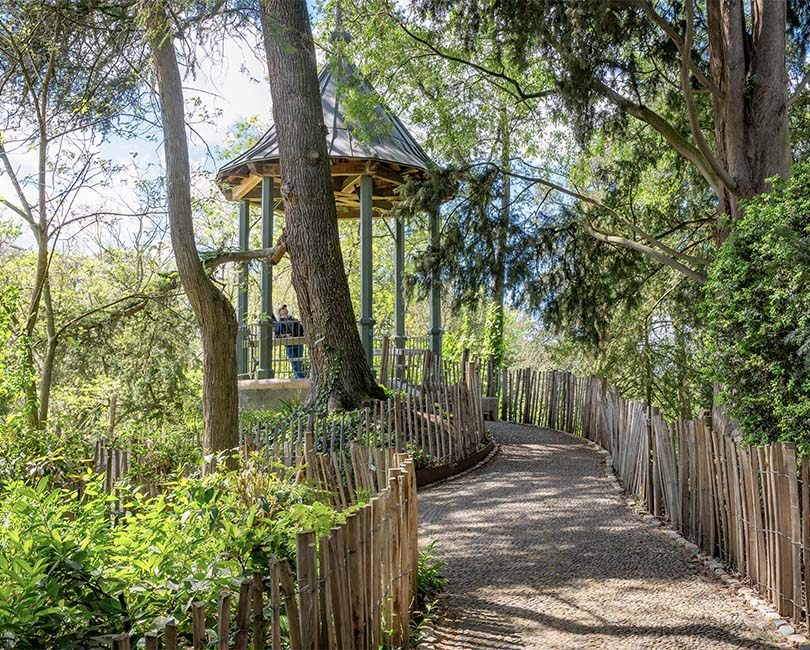
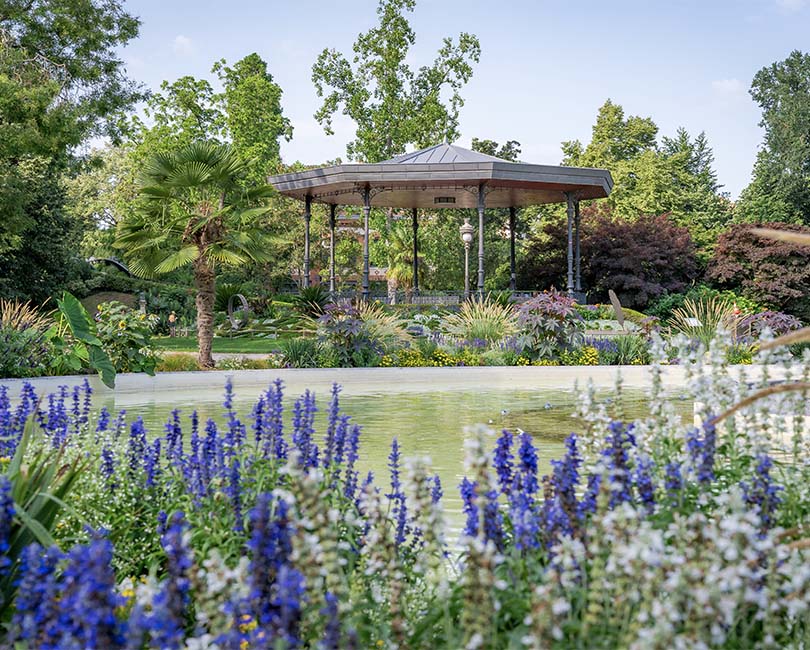
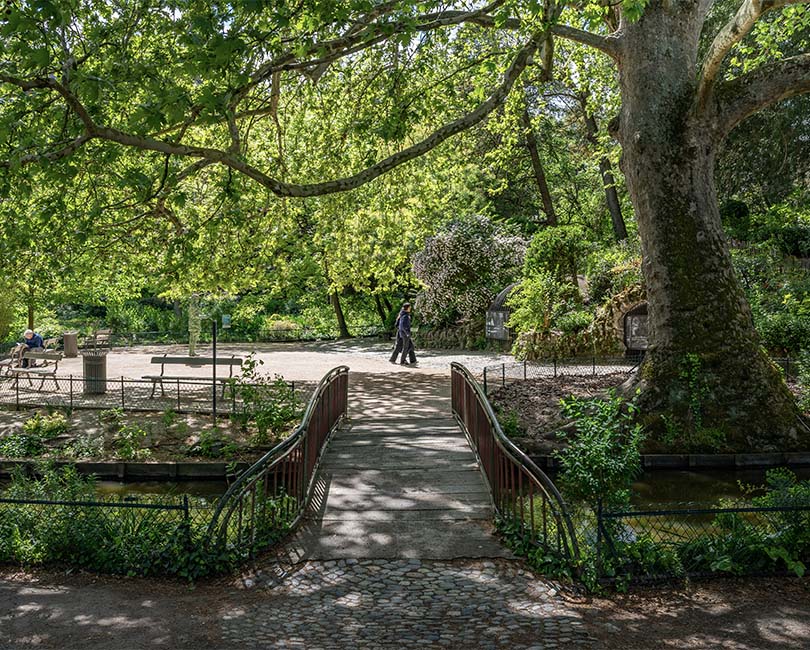
Over the centuries, French-style lawns were replaced by tree species from all over the world. In the 19th century, the fashion for English-style gardens, landscape art and the addition of sculptures and furniture further transformed the neighbourhood. The gardens evolved and became venues for social events, hosting World’s Fairs and even a zoo!
In 1891, the President of the Republic came to inaugurate the noble neoclassical façades of the universities of medicine and pharmacy that border these pleasure gardens.
In short, this tour tells the story of the origins of one of Toulouse’s most iconic neighbourhoods, now a green space covering almost nine hectares, known for being home to the Natural History Museum and the famous Quai des Savoirs.