TOULOUSE
Having taken office on 17 June 1940, Marshal Pétain called for an armistice to be signed with Nazi Germany. The following day, 18 June, in London, Charles de Gaulle delivered his famous appeal over the BBC airwaves. A symbol of hope, he declared in powerful terms that the war, which had now become a world war, was not over: ‘Whatever happens, the flame of French resistance must not be extinguished, and it will not be extinguished.’
The ‘Pink City’ found itself in the unoccupied zone. It was already a welcoming place, but its appeal grew as people fled the rise of extremists. Spaniards, French, Italians, Poles and many others came there to seek refuge. The Nazis did not enter Toulouse until late in the war: on 11 November 1942, and a sense of defeat weighed heavily on the inhabitants. The Resistance was then to take on a whole new dimension!
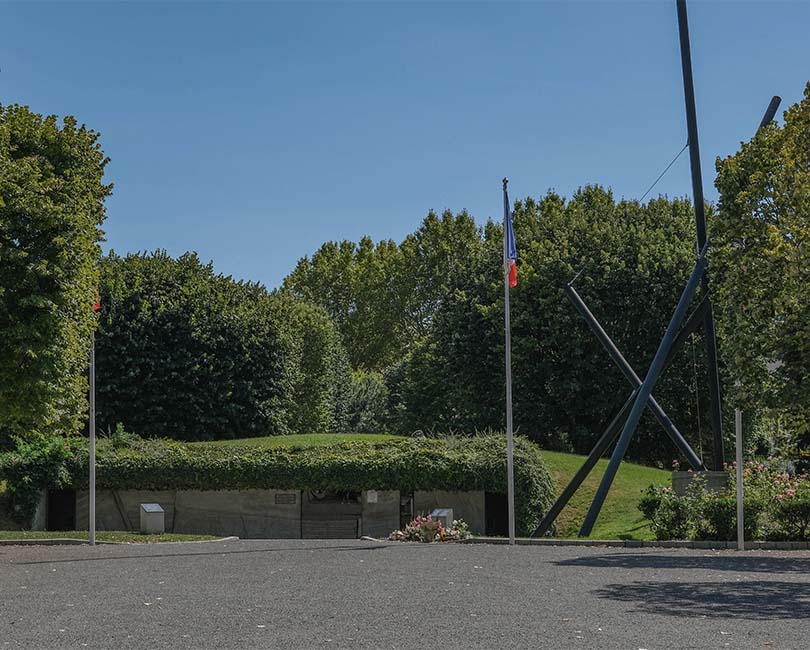
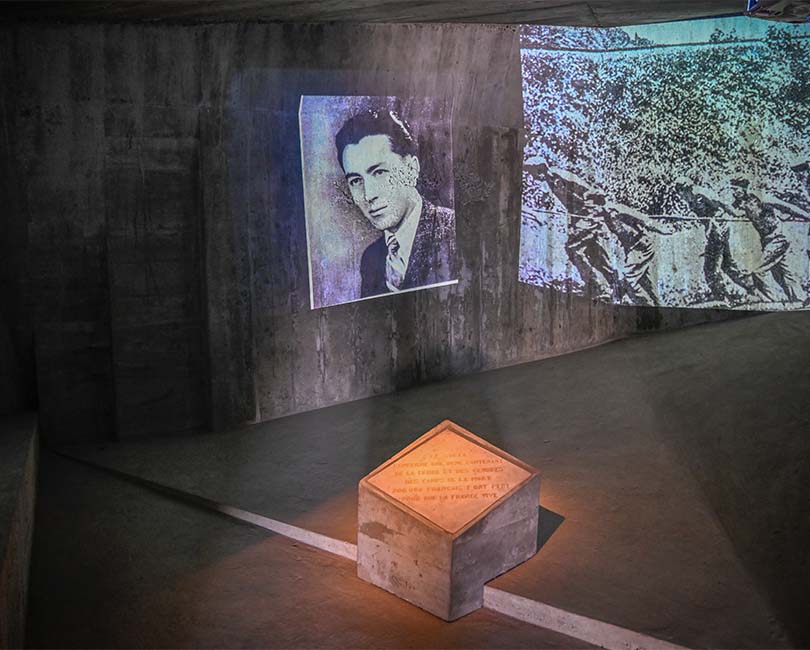
This tour begins with the monument to the Resistance, unveiled in 1971. Designed as an immersive experience, you enter this underground structure only to emerge back above ground in the Jardin des Plantes, facing busts of Resistance heroes such as Jean Cassou.
You will then discover the Shoah Memorial, designed by the architect Mikaël Sebban. The six tall stainless-steel doors arranged in a hexagon are sure to make an impression!
The tour then takes you from neighbourhood to neighbourhood, immersing you in the daily lives of the men and women who resisted in their own way: through the underground press, distributing leaflets, acts of sabotage, protecting Jews, and smuggling out Allied paratroopers…
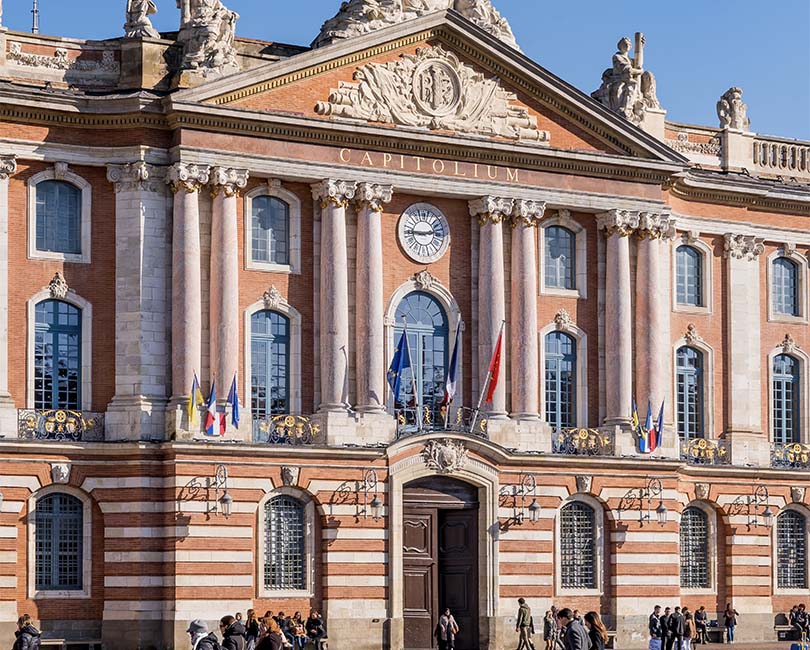
The walk ends at Place du Capitole, commemorating the Liberation, the march of the Maquis fighters and the jubilation of the people of Toulouse who came out to welcome General de Gaulle… There was still so much left to do…