How does the canal operate today ?
The Canal du Midi built by Pierre-Paul Riquet in the 17th century is still in operation today. It has evolved of course, improvements were made by Vauban not long after it was built, and then subsequent improvements have been made throughout the centuries, up to today. It is undergoing continuous modernisation but Riquet's initial design remains intact with his incredible water supply system, winding route and the many locks!
Voies Navigables de France Sud-Ouest has a team of 300 working on the 600 km network between the Atlantic and the Mediterranean, including the Canal du Midi and its supply system, and the side canals (Canal de Brienne, Canal de Jonction and Canal de la Robine).
The teams from VNF (lock keepers, maintenance staff, engineers, administrative staff, etc.) ensure the Canal du Midi operates correctly. This includes day-to-day operations, maintenance, management of water resources and the different ways this water is used.
VNF is currently working on a multi-annual project with the French State to modernise the waterway infrastructure.
Automated locks
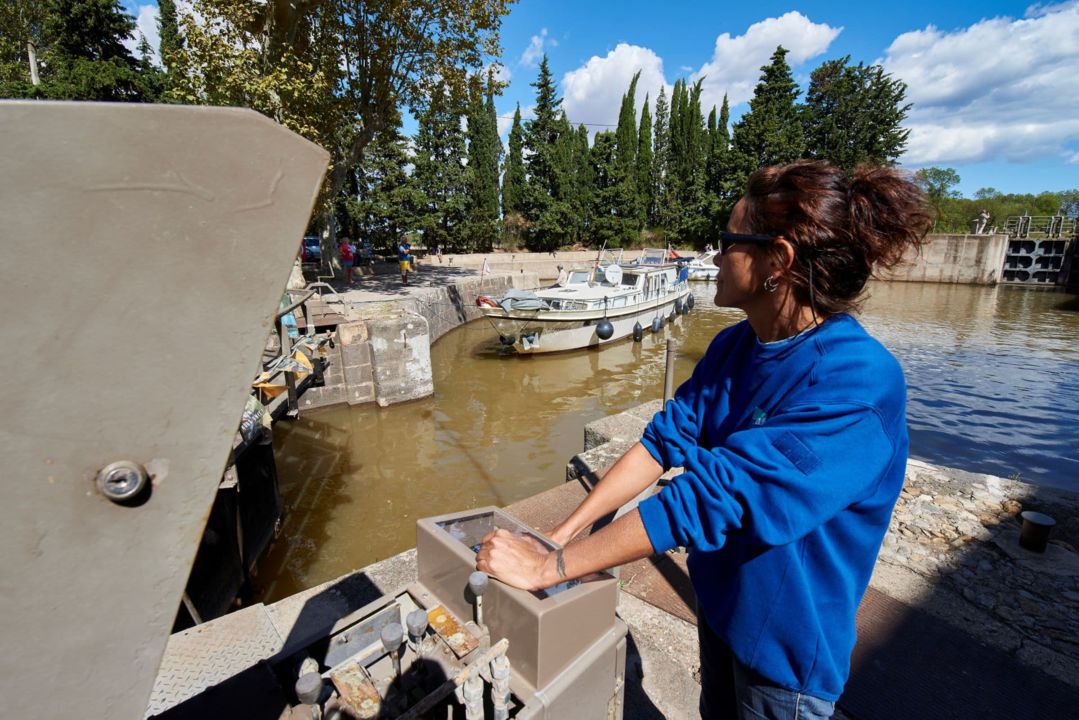
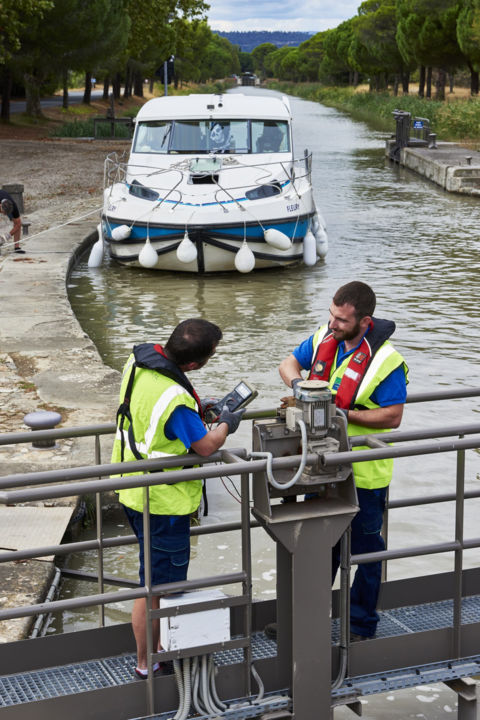
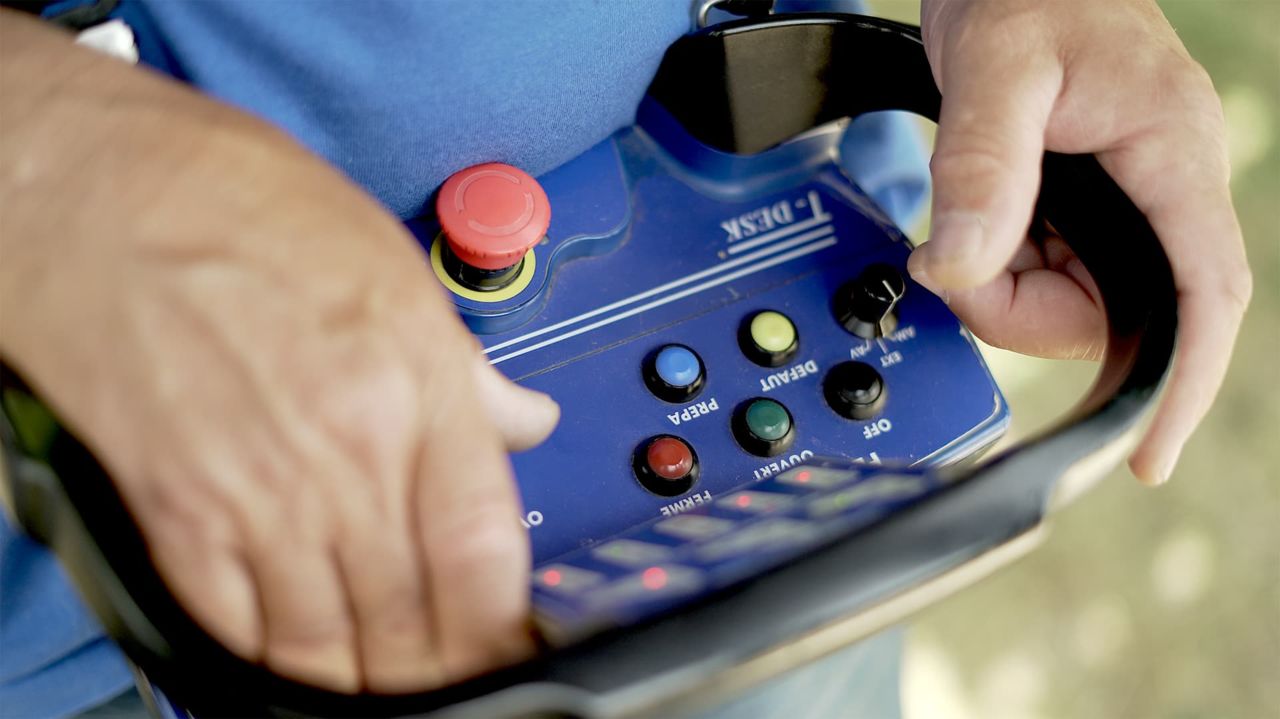
This modernisation is nothing new! During the late 1990s, Voies Navigables de France had already launched a programme to mechanise and provide electricity to the locks. Today, none of the lock gates are operated manually. They are all equipped with motors: these are known as mechanised locks. Some of the locks on the Canal du Midi are fully automated. Boaters can access a control panel that allows them to open and close the lock gates. Mobile VNF agents ensure remotely that operations run smoothly, but are able to intervene locally if necessary. All the locks on the Canal du Midi between Toulouse and Carcassonne will be automated and remote-controlled within a few years, except for the most complex locks (multiple levels).
Winter maintenance
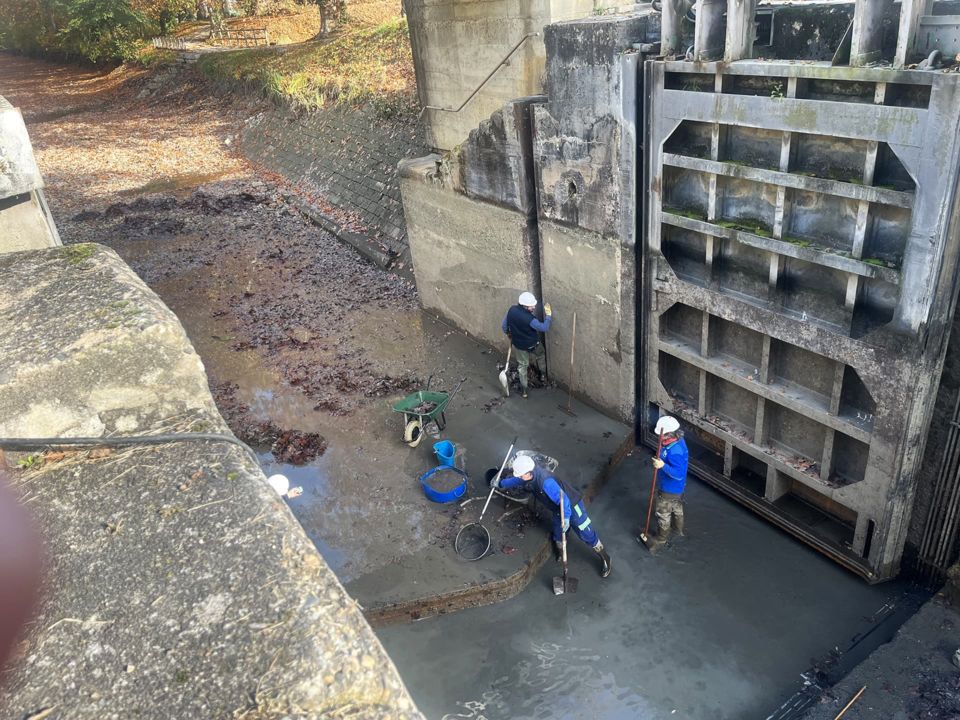
The Canal du Midi is closed to navigation every year to allow work to be carried out on the infrastructure, to maintain and regenerate the structures. The closure period runs from the beginning of January to the end of February. Certain structures require the lowering or complete draining of some reaches (the stretch of canal between two locks), particularly for reinforcement works, bank diagnostics and works on lock gates.
In recent years, efforts to optimise water resources have led to a maximum number of sites being grouped together and the limiting of water drainage. Programmes to set up a system of cofferdams so that only a portion of a reach or a single lock is drained are being considered.
Fully restored structures
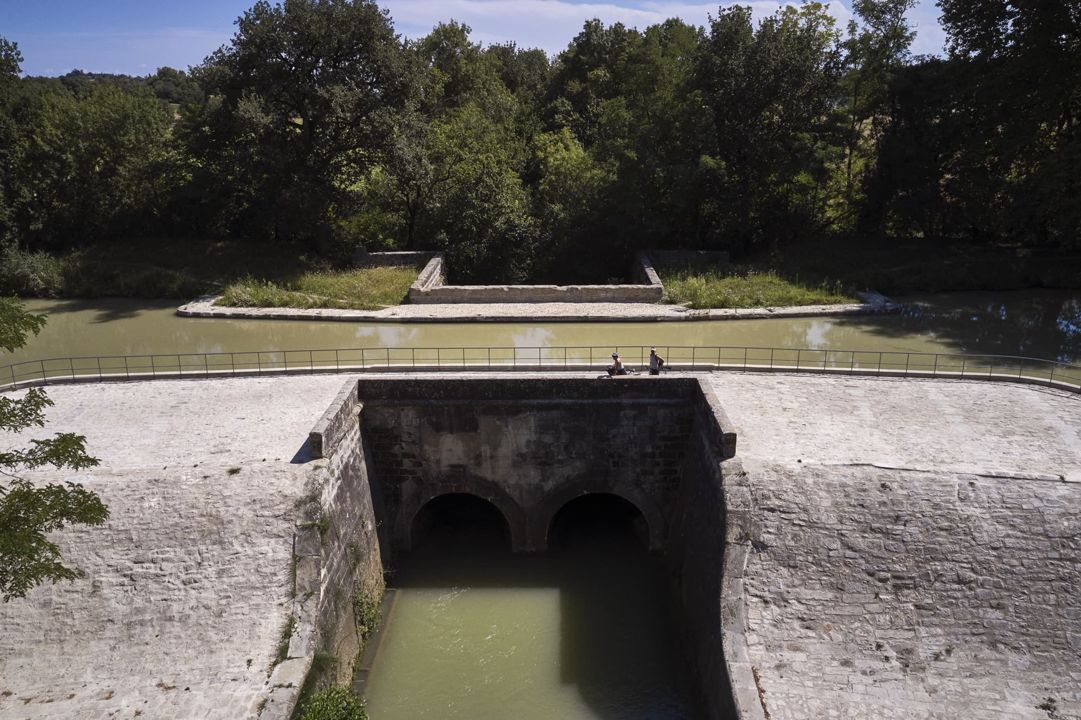
Some structures, which have deteriorated over the years, have been part of a major restoration project. The objective of this project is twofold: to ensure the durability and preservation of the structure while restoring it to its original character. The Aqueduct des Voûtes (vaulted aqueduct), for example, underwent a complete restoration between 2019 and 2022.
A vast water network to manage
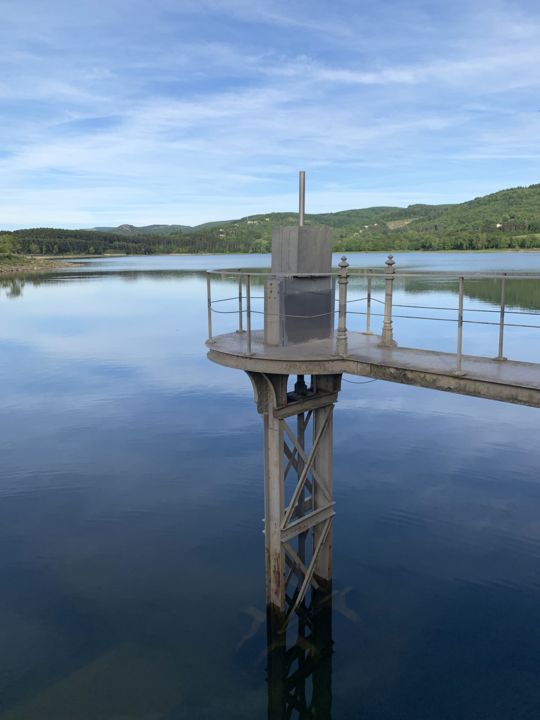
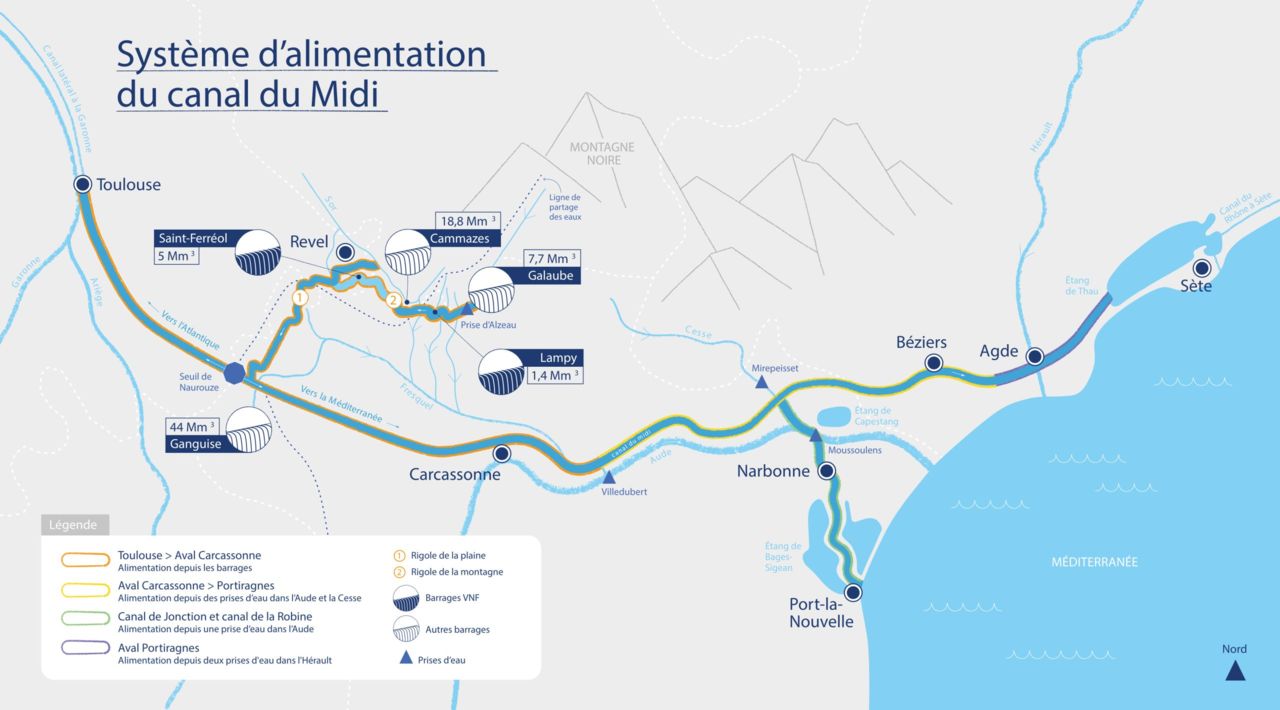
The Canal du Midi water supply system was one of the technological feats of the period when the canal was built, the 17th century. It aims to capture water from the rivers of the Montagne Noire, divert it via channels, store it in reservoirs such as the Saint-Ferréol dam and finally transport it to the Seuil de Naurouze, the highest point of the canal.
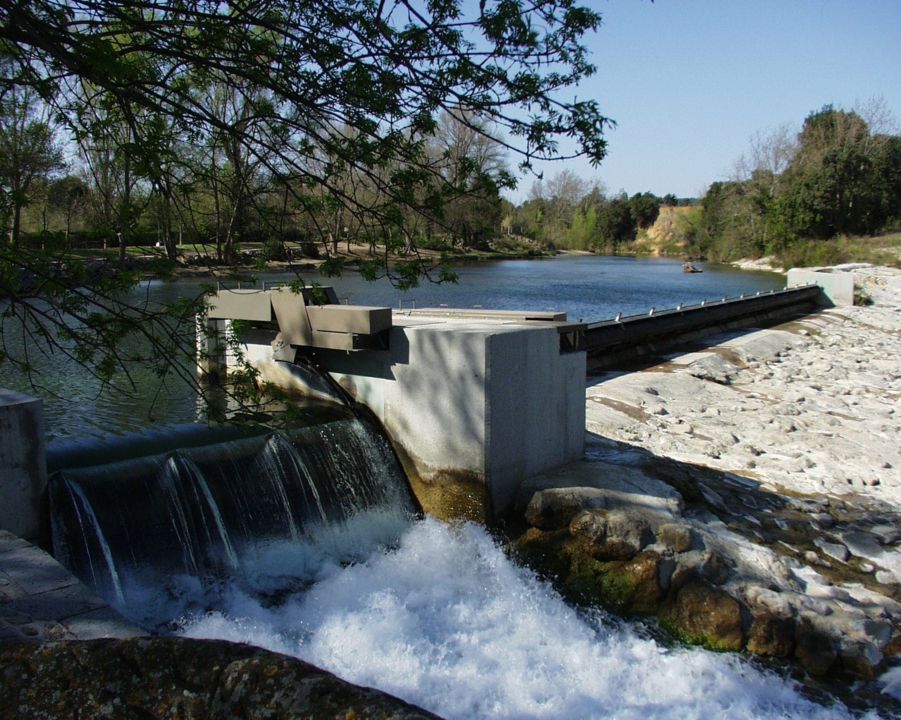
Other dams have been built over time in the Montagne Noire and additional water intakes in rivers feed the Canal du Midi in order to meet the multiple uses of the water flowing in the canal (drinking water, irrigation of agricultural land, etc.).
A resource to be shared
Water management is becoming more and more complex due to the an increase in different uses and also to climate change (excessive rainfall, prolonged water deficit and excessive heat) as well as regulations implemented to respond to today’s challenges (water pollution, reserved flows, protection of biodiversity, sharing of the resource). This has led to more economical water management methods and optimised planning for hydraulic variations. The French State guarantees that the resource is shared out fairly among all uses.
Optimised hydraulic management
Coordination is complex and aims to satisfy multiple uses as much as possible.
Since the 1990s, there has been a slight improvement in the optimisation of water management thanks to the modernised supply system. For example, the gate operating mechanism for the water supply system allows the water volumes to be much better controlled. There are automated systems there to calculate the total water flow passing through. Over the next few years, the goal is to be able to manage the water at all engineering structures from a distance, and so to manage water resources much more efficiently. More than 100 sites and engineering structures (locks, water inlets, dams, etc.) will be equipped, modernised and set up as a network to be controlled remotely, for more reactive management and for a more economical use of water.
On the Canal des Deux Mers, each branch of VNF Sud-Ouest takes care of the day-to-day management of water, depending on the needs for various uses (navigation, irrigation, drinking water, etc.). Voies Navigables de France works in partnership with other entities to manage the canal, including the Institut des Eaux de la Montagne Noire (IEMN), Compagnie Bas-Rhône-Languedoc (BRL), Institution Interdépartementale pour l’Aménagement du Barrage de Montbel, Syndicat Mixte d’Etudes et d’Aménagement de la Garonne (SMEAG), and EDF. This work is also done alongside water boards and relevant government agencies. VNF also has a role to play in various water management bodies.